
All Saints Park, Manchester


Project Details
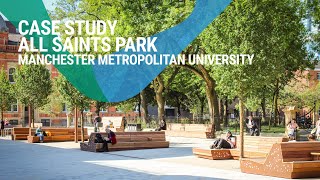
This ambitious project featured impressive, bespoke tree surround seating and installations on complex, multi-level terrain. Through close collaboration with all stakeholders, BSFG ensured that the project’s original design vision was fully realised, creating an inspiring and inviting space for all to enjoy.
Historical Context
All Saints Park holds historical significance, dating back to its original establishment in 1820 as a burial ground associated with the nearby All Saints Church. Over time, the area underwent various transformations:
- Late 19th Century: The burial ground fell into disrepair and eventually closed.
- 1935: The site was repurposed as a playground, catering to local families.
- 1980s: All Saints Park transitioned into a public garden, becoming a recognisable public space.
- 1990s: MMU leased the site from Manchester City Council, establishing it as a focal point within the university campus.
Project Goals and Scope
The redevelopment of All Saints Park is part of MMU’s larger Public Realm Masterplan, a phased initiative to reshape and modernise campus spaces. The project, designed to revitalise the central park area, also reflects MMU's commitment to sustainability and community engagement. Following extensive consultations with nearby residents, students, and staff, Manchester City Council approved the project in June 2021. The primary goals of the transformation were:
- Enhancing Biodiversity: Introducing native tree species to support over 200 animal and plant species, fostering a diverse ecosystem within the urban environment.
- Accessibility and Connectivity: Expanding pedestrian and cyclist pathways, while repurposing former roadways as landscaped pedestrian zones.
- Creating an Inviting Public Space: Establishing a welcoming, multifunctional area for students, faculty, and the local community.
Design and Implementation
The redevelopment, spanning 18 months, transformed All Saints Park into a lush, biodiverse green space flanked by university buildings on three sides. The new design enhances the social and ecological functions of the park while reflecting the site’s rich heritage and the university’s modern vision. Key elements include:
Bespoke Seating and Street Furniture
BSFG collaborated closely with the landscape architects and developers to design street furniture that integrates seamlessly with the park’s aesthetics and the surrounding university architecture. Highlights include:
- Tree Surround Benches and Curved Seating: Located around newly planted trees, these curved benches enhance the organic feel of the park and provide gathering spots for relaxation.
- Tiered Loungers and Back Wall Edge Benches: Along newly pedestrianised zones, these loungers mirror the shadows cast by surrounding university buildings. Integrated lighting within the seating adds ambience and improves safety at night.
- Accessible Tables and Benches: Work and dining tables feature accessible designs to accommodate wheelchair users, ensuring inclusivity for all park visitors.
Sustainable Material Use
- BSFG specified FSC-certified Cumaru wood for all products, emphasising environmental responsibility and sustainability.
- The furniture features a durable Mars sable powder-coated finish, enhancing longevity and resistance to environmental wear.
Central Gathering Space
At the heart of the park, a timber podium bench acts as a focal gathering spot. Surrounding this area and thoughtfully placed throughout the park are curved memorial garden benches, picnic tables, and litter bins, all installed to enhance usability while encouraging cleanliness and environmental respect.
Ecological Impact and Community Engagement
The park’s re-landscaping reflects MMU's dedication to environmental stewardship and urban biodiversity. Key ecological improvements include:
- Native and Diverse Plant Species: Newly planted tree species will support over 200 animal and plant species, contributing to local biodiversity by attracting a variety of insects, birds, mammals, fungi, lichen, and mosses.
- Community-Centric Design: The project prioritises accessibility, inviting the local community and university students alike to engage with the park in multiple ways, from relaxation to study and socialising.
Conclusion
The redevelopment of All Saints Park is a model project that underscores the potential of urban green spaces to enrich university campuses and the surrounding community. The design not only enhances the aesthetic and functional aspects of the park but also fosters an inclusive, biodiverse, and sustainable environment. Through strategic use of sustainable materials and thoughtful consultation with stakeholders, MMU’s commitment to creating a modern, welcoming campus has been realised in this transformed public space.
ENQUIRY FORM
